

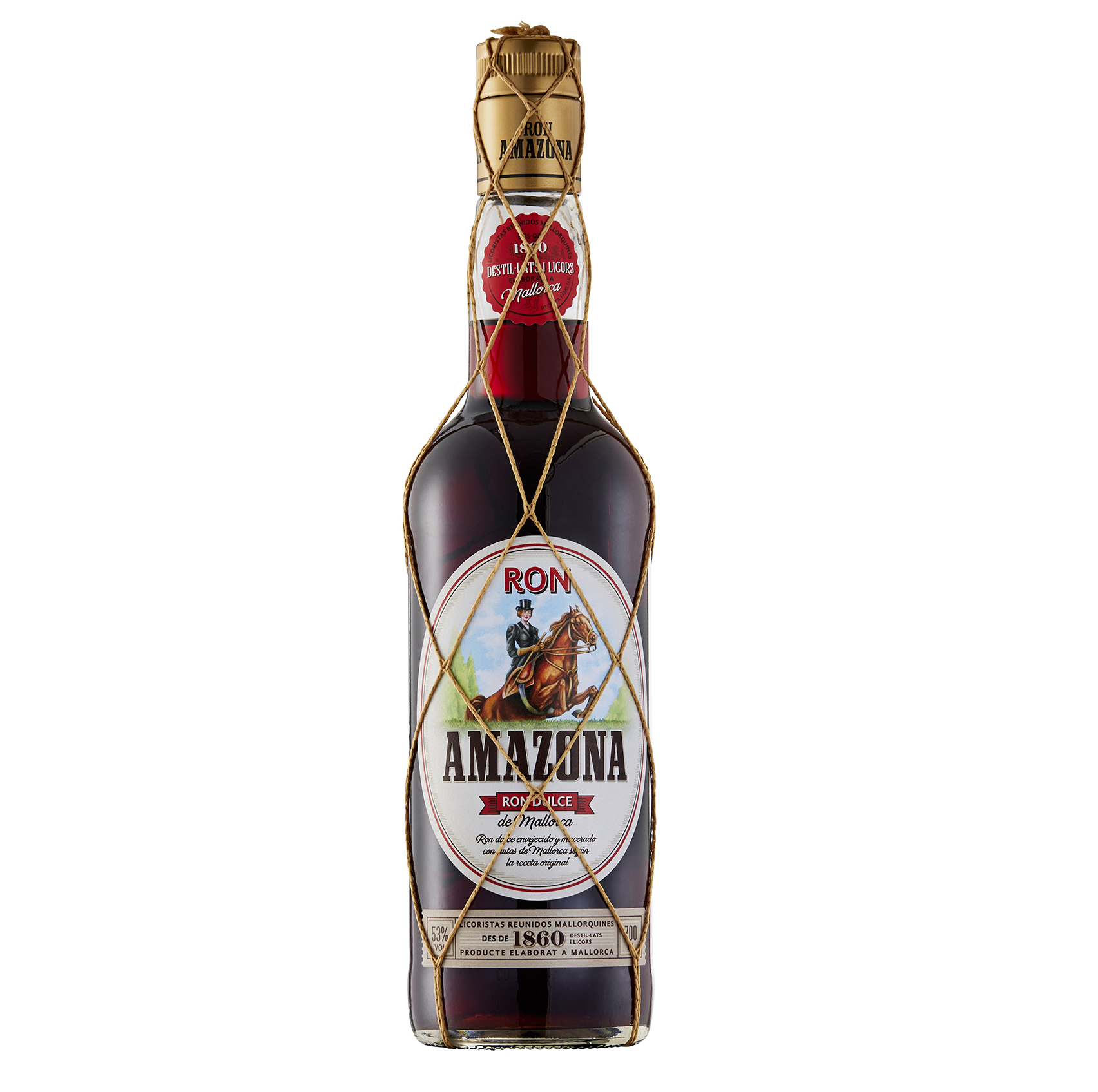

In 1825, Pedro Cañellas Serra’s family began producing traditional liqueurs in Sa Cabaneta (Mallorca). They produced the famous Hierbas and Palo de Mallorca liqueurs using locally sourced raw materials, as their descendants continue to do today.
In the 19th century, the company exported aniseed liqueur and brandy to Cuba and Puerto Rico, and imported rum, which in Mallorca was usually drunk with coffee to make the popular ‘carajillo’.
When Spain lost its colonies, rum production moved to Mallorca, where it was made according to an original recipe that remains very popular today: Amazona rum.
The company has won numerous awards, the first of which it received at the 1881 Exhibition in Palma.
Limsa products are deeply rooted in the popular culture of Mallorca, and their popularity now extends beyond our borders.
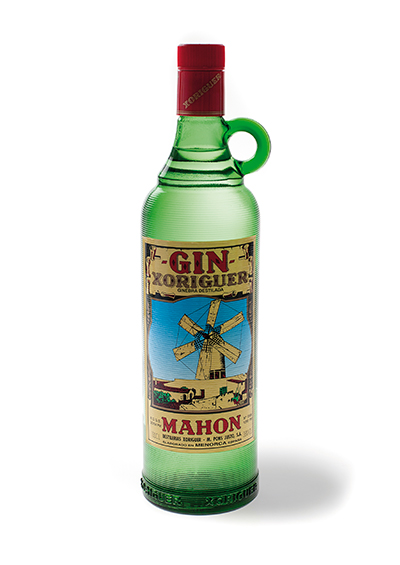

I.G. Gin de Mahón
A family business founded in 1945 by Miquel Pons Justo. It continues the tradition of gin production in Mahón, a legacy of the English presence on the island of Menorca throughout the 18th century. It has been awarded the Traditional Speciality Guaranteed designation.
The mill depicted in its logo is the mill where the founder’s family ground wheat since its construction in the 18th century.
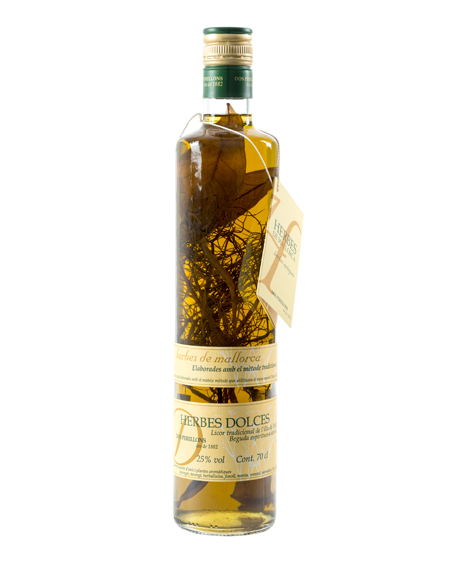

A family business since 1882, founded in Llubí (Mallorca) by Jorge Perelló Perelló, it is currently run by the fourth generation. It produces traditional Mallorcan drinks such as Hierbas, Palo, and its unbeatable dry Anís.
The almond trees of Mallorca are renowned for producing almonds of exquisite quality, as well as forming a stunning winter landscape.
Dos Perellons almond cream pays tribute to Mallorca’s quintessential fruit, a symbol of our identity.
He is a certified master craftsman, using locally sourced raw materials.
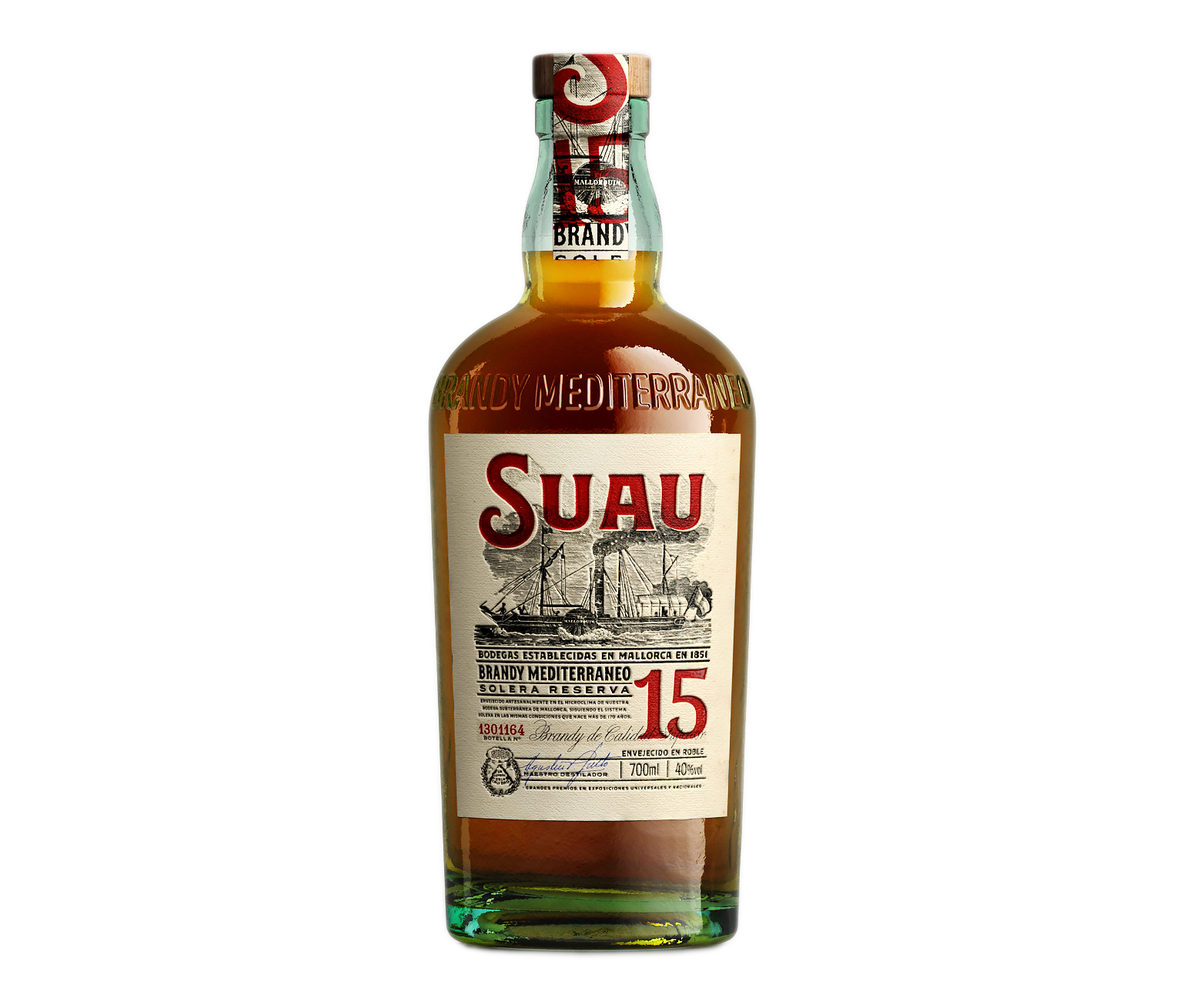
Juan Suau Bennáser produced rum in Cuba in 1840 and traded between Mallorca and the Spanish colonies of Cuba and Puerto Rico. In 1851, he moved his stills to Mallorca and began producing rum, aniseed liqueur, spirits and the highly prized Suau brandy.
The company has won numerous international awards.
A defender of traditions, the company preserves much of its historical equipment in a museum.
The cellars are currently located in a protected and listed building that is a must-see for any newcomer to the island.