Author: Productes de Mallorca

Biodynamic agriculture
Gastronomy Nature

Biodynamic agriculture

Have you ever wondered what biodynamic farming really means and how it differs from organic agriculture? This holistic approach to farming goes beyond avoiding synthetic chemicals, aiming to create a balanced ecosystem in which soil, plants, animals and people work together. Discover the principles behind biodynamic farming, what makes a food product genuinely biodynamic and what Demeter certification means when it comes to identifying high-quality biodynamic products. Learn why biodynamic farming places such a strong emphasis on soil health, biodiversity, sustainability and the long-term wellbeing of the farm as a whole.

Modernism in Mallorca
Heritage

Modernism in Mallorca

Did you know that Mallorca is home to some remarkable examples of Art Nouveau architecture? At the beginning of the 20th century, this artistic movement transformed parts of Palma and Sóller, leaving behind elegant façades decorated with flowing lines, floral motifs, ceramics, stained glass and wrought iron. Discover the fascinating history of Art Nouveau in Mallorca and follow a route through some of the island’s most striking Modernist buildings, including the Gran Hotel, Can Casasayas, Casa Forteza Rey and Casa Barceló, while uncovering a lesser-known side of Mallorca’s architectural heritage.

Song of the Sibil.la
Heritage History

The Song of Sibil.la

Did you know that one of Mallorca’s most remarkable Christmas traditions dates back to the Middle Ages? The Song of the Sibyl is a haunting medieval chant performed on Christmas Eve in churches across Mallorca, traditionally accompanied by a singer carrying a sword and altar servers holding candles. Its solemn melody and prophecy of the Final Judgement have survived for centuries, making it one of the island’s most distinctive Christmas traditions. Discover the fascinating history of the Song of the Sibyl in Mallorca, its medieval origins and why UNESCO declared it Intangible Cultural Heritage of Humanity in 2010.

Tap de Cortí
Gastronomy

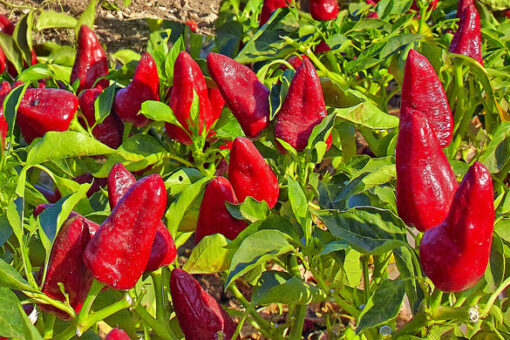
Tap de Cortí: Mallorca’s most iconic pepper variety

Did you know that one of the key ingredients behind the distinctive colour and flavour of Mallorcan sobrasada is a unique pepper native to Mallorca? Tap de Cortí is a traditional Mallorcan pepper variety used to produce a sweet paprika with an intense red colour, delicate aroma and slightly sweet flavour. Discover the story of Tap de Cortí, how this traditional Mallorca paprika is produced and why it remains one of the most important ingredients in Mallorcan cuisine and authentic sobrasada.

Primer coche en Mallorca
anecdotes History

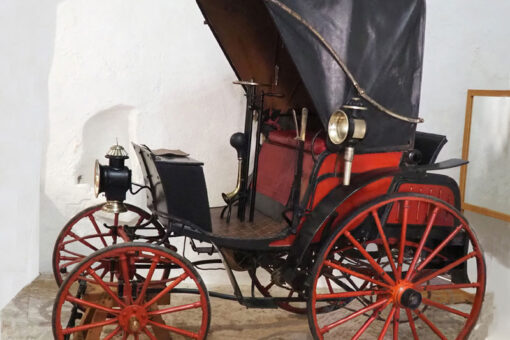
First car in Mallorca

Did you know that the first car to arrive in Mallorca came to the island in 1897? On 8 April that year, a remarkable Roger-Benz arrived in Palma from Marseille, introducing Mallorcans to a revolutionary new invention that could travel without horses. Discover the fascinating story of Mallorca’s first car, the wealthy owner who brought it to the island, the difficulties involved in getting this pioneering vehicle on the road and the extraordinary fact that, more than 125 years later, the original Roger-Benz is still preserved in Mallorca.

Coronat, the remarkable motorbike built in Mallorca
anecdotes History

Coronat, the remarkable motorcycle built in Mallorca

Did you know that one of the most innovative motorcycles of the 1950s was designed and built in Mallorca? The Coronat was the brainchild of Mallorcan inventor Jaume Llobera Morro, who created an exceptionally advanced Spanish motorcycle in his workshop in Inca. With its own four-stroke engine, shaft drive, single-sided rear swingarm and central suspension, the Coronat featured technology far ahead of its time. Only seven motorcycles were registered between 1955 and 1957. Discover the fascinating story of the Coronat motorcycle, a remarkable piece of Mallorca’s industrial and motoring history.

Types of sobrasada
Gastronomy Mallorca products

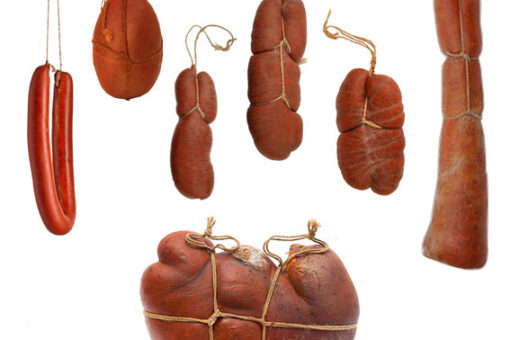
Types of sobrasada

Did you know that there are several different types of sobrasada? Although they are all made from the same traditional mixture of pork, paprika and salt, Sobrasada de Mallorca comes in a surprising variety of shapes and sizes, each with its own curing time and characteristics. From the thin longaniza and the popular rizada to the unusual bufeta, pultrú and impressive bisbe, discover the different types of authentic Mallorcan sobrasada and learn how the size and thickness of each variety affect its curing process, texture and flavour. A fascinating guide to one of Mallorca’s most iconic traditional products.

The coats of arms of Mallorca’s villages and their fascinating stories
anecdotes History

The coats of arms of Mallorca’s villages and their fascinating stories

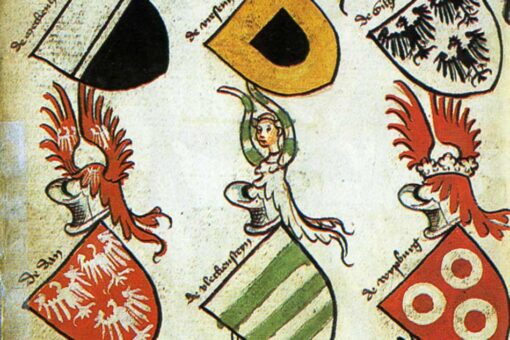
Have you ever wondered what the coats of arms of Mallorca’s villages actually mean? Look closely at the façades and historic buildings across the island and you’ll discover castles, towers, animals, religious symbols and even five traditional fritters hiding centuries of history and local traditions. Discover the fascinating coats of arms of Mallorca’s villages, from the castle and Arabic influences of Alaró to the radiant sun of Andratx, the five bunyols of Bunyola and the unusual symbols of Manacor and Sant Llorenç d’es Cardassar. Explore the stories behind Mallorca’s heraldry and discover a different way of uncovering the history of the island’s villages.

History of Mallorcan surnames
anecdotes History Traditions and customs

History of Mallorcan surnames

Have you ever wondered where Mallorcan surnames come from? The family names found across Mallorca today tell a fascinating story of the island’s history, shaped by different cultures, migrations and centuries of change. Discover the origins and meanings of Mallorcan surnames, from Catalan and Arabic influences to noble family names and the distinctive Xueta surnames of Mallorca. Ferrer, Pons, Serra, Riera, Oliver, Coll, Aguiló and Bonnín are just some of the traditional family names that reveal the island’s rich and complex past. Explore the history of Mallorcan surnames and discover how Mallorca’s family names have evolved over the centuries.

Dimonis de Mallorca
Festivals and events Traditions and customs

Dimonis of Mallorca

Who are the mysterious dimonis of Mallorca, and why do they play such a spectacular role in the island’s traditional festivals? With their huge horns, masks, colourful costumes, fire and fireworks, these devil-like figures are at the heart of the celebrations of Sant Antoni and Sant Sebastià. Discover the fascinating origins of the dimonis, their connection with Mallorca’s religious traditions and how local groups known as collas keep this unique tradition alive in towns such as Sa Pobla, Muro, Manacor, Artà and Palma. From spectacular correfocs and bonfires to music, dancing and local food, discover one of the most authentic and exciting traditional festivals in Mallorca.

Llaut la Balear
anecdotes Gastronomy History

Sailing around Mallorca

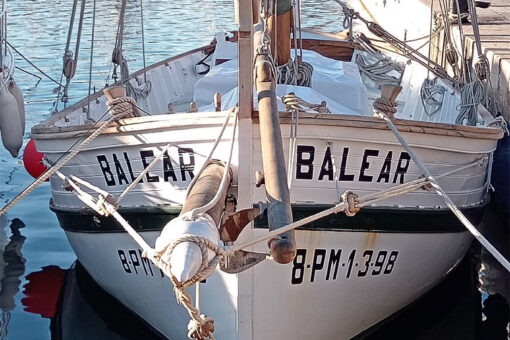
What was it like to sail around Mallorca in 1899? That summer, nine friends from Santanyí set off on an extraordinary adventure aboard a traditional Mallorcan llaüt, sailing around the island, exploring coves and coastal villages, and eating and sleeping on board. More than a century later, the discovery of the expedition’s original diary and documents made it possible to reconstruct their remarkable journey and glimpse what Mallorca was like at the end of the 19th century. Discover the fascinating story of sailing around Mallorca in 1899, a unique adventure combining traditional sailing, friendship, food and history.

Spies in Mallorca: the incredible story of Tommy Harris
anecdotes History

Spies in Mallorca: the incredible story of Tommy Harris

Did you know that Mallorca was once a secret stage for international espionage? During the Spanish Civil War, the Second World War and the early years of the Cold War, the island’s strategic position attracted British, German and other intelligence agents. Among them was Tommy Harris, a British MI6 agent who played a key role in the deception network of Joan Pujol “Garbo”, helping to convince Hitler that the Allied invasion of Europe would take place elsewhere. Discover the fascinating story of spies in Mallorca, the secret networks operating on the island and the remarkable characters who made Mallorca part of the history of international espionage.

Ways to enjoy sobrasada
Gastronomy

Ways to enjoy sobrasada

Think sobrasada is only for spreading on bread? Think again! This iconic Mallorcan sausage is far more versatile than you might expect, adding its rich, distinctive flavour to eggs, potato omelettes, croquettes, pasta, squid and rice dishes. Discover delicious ways to eat Sobrasada de Mallorca, from simple traditional recipes to more creative dishes, and find inspiration for bringing an authentic taste of Mallorca to your kitchen.

Nazis in Mallorca
History

Nazis in Mallorca

What was the connection between Mallorca and Nazi Germany? Long before the island became a favourite destination for German tourists, Mallorca had already developed close links with Germany during the 1930s. The Spanish Civil War brought the Condor Legion to Pollença, where German seaplanes operated from the island, while after 1945 Mallorca became associated with several former Nazi figures, including the notorious Otto Skorzeny. Discover the little-known history of the Nazis in Mallorca, from the rise of the Nazi movement and the Condor Legion to the former Nazi fugitives who found links to the island.

Mallorca and the return of eco-friendly sailing transport
anecdotes

Mallorca and the return of eco-friendly sailing transport

Did you know that Mallorca was once a key hub of Mediterranean trade? For centuries, sailing ships left the island’s ports carrying wine, citrus fruit, cured meats and textiles to France and other Mediterranean destinations. Ports such as Sóller and Portocolom played an important role in these maritime trade routes, connecting Mallorca with places such as Sète and leaving a lasting mark on the island’s history and culture. Discover how Mallorca’s traditional sea trade shaped the island and how some of these historic routes are now being revived through sustainable sailing transport.

Condesas y duquesas de Mallorca
anecdotes

Cars made in Mallorca: the story of the CBA Condesa and Duquesa

Did you know that some remarkably unusual classic cars were actually made in Mallorca? The CBA Condesa and Duquesa were built in Palma during the 1980s, combining a distinctive Belle Époque-inspired design with the simple and reliable mechanical components of the Citroën 2CV. With around 200 examples produced on the island, these rare vehicles have become a fascinating piece of Mallorca’s automotive and industrial history. Discover the story behind the cars made in Mallorca and the unusual CBA Condesa and Duquesa.

Hidroaviones en Mallorca
anecdotes

Seaplanes in Mallorca

Saviez-vous que les premiers hydravions sont arrivés à Majorque dès 1920 ? Au cours des années 1920 et 1930, l’île est devenue un point important de l’aviation maritime en Méditerranée, avec des liaisons entre Barcelone et Palma, une école de pilotes d’hydravion à Porto-Colom et une base aérienne historique dans la baie de Pollensa. Découvrez l’histoire fascinante des hydravions à Majorque et le rôle qu’ils ont joué dans les débuts de l’aviation moderne sur l’île.

Mallorca and Puerto Rico: a history that links two islands
anecdotes

Mallorca and Puerto Rico: a history that links two islands

What connects Mallorca and Puerto Rico? During the 19th century, thousands of Mallorcans crossed the Atlantic in search of a better life, leaving a lasting mark on Puerto Rico’s history and culture. Many came from Sóller and other towns across Mallorca, building successful businesses, coffee plantations and family networks on the island. Discover the fascinating story of Mallorcan emigration to Puerto Rico, the journey across the Atlantic and the legacy that can still be found today in Puerto Rican surnames, traditions and the famous “Mallorcas” – Puerto Rico’s version of Mallorca’s traditional ensaimada.

Cristóbal Colón era mallorquín
anecdotes

Christopher Columbus was Mallorcan.

Could Christopher Columbus have been Mallorcan rather than Genoese? More than 500 years after his voyage to America, the explorer’s true origins remain one of history’s most intriguing mysteries. One theory suggests that Columbus was born in Mallorca, possibly near Felanitx, and that he deliberately concealed his origins for political reasons. Discover the historical clues linking Christopher Columbus to Mallorca, from his name and family connections to Mallorcan navigation, place names in the Americas and the latest scientific research into his ancestry.

Trotting races in Mallorca: tradition and excitement at the racecourses
Festivals and events

Trotting races in Mallorca: tradition and excitement at the racecourses

Looking for a different side of Mallorca? Discover the island’s fascinating tradition of trotting races, a unique form of horse racing that remains deeply rooted in local life. At racecourses such as Son Pardo in Palma and Manacor, specially trained trotting horses compete while pulling a lightweight two-wheeled cart known as a sulky. Find out how trotting races work, where to watch them and why this lively local tradition offers a fascinating glimpse into the authentic side of Mallorca.

Bellver Castle in Palma de Mallorca: history, interesting facts and what to see
Heritage

Bellver Castle in Palma de Mallorca: history, interesting facts and what to see

Did you know that Mallorca is home to one of Europe’s most remarkable circular castles? Perched on a hill overlooking Palma, Bellver Castle is a unique Gothic fortress built in the early 14th century for King James II of Mallorca. Its perfectly circular design, four towers and central courtyard make it one of the island’s most distinctive historic landmarks, while its hilltop location offers spectacular 360-degree views across Palma and the bay. Discover the fascinating history of Bellver Castle, its royal origins, its centuries as a prison and everything you can see when visiting this extraordinary landmark in Mallorca.

What was Mallorca like in 1960
anecdotes

What was Mallorca like in 1960

Did you know that Mallorca in 1960 was a very different island from the one we know today? With just 362,000 inhabitants, quiet streets, almost deserted beaches and tourism only beginning to take off, life in Mallorca moved at a much slower pace. Through the memories of Erika, a young German woman who arrived on the island at the dawn of the tourism boom, discover what everyday life was really like in Palma and Mallorca in the 1960s: the cost of a Vespa or a Seat 600, where people ate, how they spent their Sundays, what the beaches looked like and the customs that surprised a young foreign visitor. Take a nostalgic journey back to Mallorca in 1960 and discover the island before mass tourism transformed it.

La Mallorca romana
History

Roman Mallorca

Discover the fascinating history of Roman Mallorca and travel back more than 2,000 years to the Roman conquest of the island in 123 BC. Find out what Mallorca was like before the Romans arrived, how the ancient cities of Pollentia and Palma developed, and how Roman rule transformed the island’s culture, trade, architecture and way of life. Explore the legacy of Roman Mallorca, from ancient cities and Mediterranean trade routes to the process of Romanisation that shaped the island for centuries.

Fenómeno OVNI en Mallorca
anecdotes

UFO phenomenon in Mallorca

Have UFOs really been spotted in Mallorca? Discover some of the island’s most intriguing UFO sightings, from mysterious objects photographed over the Tramuntana Mountains to unexplained encounters off the Mallorcan coast. Explore fascinating cases reported in Sóller, Puig Major, Cúber and Cabo Blanco, including eyewitness accounts, photographs and declassified military documents relating to unidentified flying objects. Whether you are a believer, a sceptic or simply fascinated by unexplained phenomena, uncover the strange stories behind some of the most curious UFO sightings in Mallorca.

Archiduque Luís Salvador de Austria
Iconic characters

Archduke Luis Salvador

Discover Archduke Ludwig Salvator of Austria in Mallorca, the 19th-century traveller who fell in love with the island and devoted years to exploring its landscapes, villages, traditions and way of life. Discover the remarkable legacy he left behind in Die Balearen and his unique portrait of Mallorca.

The Kingdom of Mallorca and its kings
History

The Kingdom of Mallorca and its kings

Discover the fascinating history of the Kingdom of Mallorca and its kings, from James I of Aragon’s conquest of the island in 1229 to the end of the independent kingdom under James III. Meet the medieval rulers of Mallorca, explore their struggles for power and discover the legacy they left in landmarks such as Palma Cathedral, La Almudaina Palace and Bellver Castle.

Conquista musulmana de Mallorca
History

Muslim conquest of Mallorca

Discover the fascinating history of the Muslim conquest of Mallorca and more than three centuries of Islamic rule that transformed the island. Explore the rise of Madinat Mayurqa, the development of irrigation and agriculture, the rich culture of Islamic Mallorca and the enduring Arab legacy still visible in the island’s landscapes, place names and heritage.

The talayots of Mallorca: the island’s mysterious prehistoric culture
Heritage History

The talayots of Mallorca: the island’s mysterious prehistoric culture

Discover the Talayots of Mallorca, the mysterious stone monuments left behind by the island’s prehistoric Talayotic culture. Learn who built these impressive structures, what they may have been used for and how people lived in their ancient settlements. Explore Mallorca’s fascinating prehistoric heritage and discover remarkable archaeological sites such as Ses Païsses, Capocorb Vell and Son Fornés.

Conquista romana de Mallorca
History

Roman conquest of Mallorca

Discover the Roman conquest of Majorca in 123 BC and how Rome transformed the island forever. Explore the resistance of the Talayotic people, the role of Quintus Caecilius Metellus and the legendary Balearic slingers, and find out how the arrival of the Roman Empire led to the foundation of Palma and Pollentia and marked the beginning of Roman Mallorca.

The Sóller Railway: Mallorca’s most iconic railway
Heritage History

The Sóller Railway: Mallorca’s most iconic railway

Discover the Sóller Train, one of Mallorca’s most iconic attractions, and take a journey through the spectacular Serra de Tramuntana from Palma to Sóller. Learn the fascinating history of this historic railway, opened in 1911 to connect the Sóller valley with the island’s capital, and experience a timeless journey aboard its famous vintage wooden carriages, through mountain tunnels, orange groves and breathtaking landscapes.

T
anecdotes Nature

Sharks in Mallorca

Are there sharks in Mallorca? Discover which shark species inhabit the waters around Mallorca and the Balearic Islands, from blue sharks and makos to the impressive great white shark. Explore the fascinating history of sharks in Mallorca, including the remarkable great white catches recorded in the Bay of Pollensa during the 1960s and 1970s, and find out why sharks in the Mediterranean are far less dangerous to humans than you might think.

The extraordinary story of travelling around Mallorca on a camel
anecdotes

The extraordinary story of travelling around Mallorca on a camel

Discover the extraordinary true story of a camel journey around Mallorca in 1964. Two young Mallorcan artists set out from Palma with Mohammed, a 600-kilo camel, determined to travel around the island and turn their adventure into a story. Follow their remarkable journey through Mallorca, from village to village and across the Tramuntana mountains, and uncover one of the most unusual and unforgettable stories from 1960s Mallorca.

The Mallorcan celler
Gastronomy

The Mallorcan celler: tradition and typical Mallorcan cuisine

Discover the Mallorcan celler, one of the best places to experience authentic traditional cuisine in Mallorca. Originally used as wine cellars, these historic establishments have evolved into rustic restaurants where centuries-old traditions live on. Find out about the history of the Mallorcan celler and savour some of the island’s most iconic dishes, including tumbet, Mallorcan soups, sobrasada, suckling pig and traditional snails, surrounded by enormous wooden wine barrels.

Caracoles con "all i oli"
Gastronomy

Snails with “all i oli”

Discover snails with all i oli, one of the most traditional and distinctive dishes of Mallorcan cuisine. Learn how this iconic recipe was prepared the traditional way, from collecting and purging the snails to making authentic all i oli with just garlic, salt and olive oil. Explore the fascinating family traditions behind this much-loved Mallorcan dish and discover a unique taste of Mallorca’s culinary heritage.

Dry stone walls in Mallorca: the art of building in the Serra de Tramuntana
Crafts and trades

Dry stone walls in Mallorca: the art of building in the Serra de Tramuntana

Discover the dry stone walls of Mallorca, one of the most distinctive features of the island’s landscape and traditional heritage. Learn how the ancient dry stone technique, using carefully placed stones without mortar, transformed the steep slopes of the Serra de Tramuntana into fertile terraces and shaped Mallorca’s countryside. Explore the history of these remarkable walls and discover why they remain an essential part of the island’s UNESCO-listed cultural landscape.

The Mallorcan possessió: the heart of rural Mallorca
Heritage Uncategorized

The Mallorcan possessió: the heart of rural Mallorca

Discover the Mallorcan possessió, the historic rural estates that once formed the heart of life, agriculture and society in Mallorca. Learn how these vast country estates evolved from former farmsteads into self-sufficient centres of agricultural and livestock production, and explore their distinctive architecture, from grand manor houses and courtyards to traditional olive mills and wine cellars. Discover the history of Mallorca’s possessions and how many of these remarkable estates have survived as museums, rural hotels and agrotourism retreats.

Cathedral of Palma
Heritage History Places of interest

Cathedral of Palma

Discover Palma Cathedral, also known as La Seu, one of Mallorca’s most spectacular and iconic landmarks. Explore the fascinating history of this Gothic cathedral overlooking the sea, built over more than three centuries, and uncover its remarkable treasures, from its enormous rose window and the mysterious “Eight” phenomenon to the modernist work of Antoni Gaudí and the controversial creation by Miquel Barceló. A captivating journey through the history, art and architectural heritage of Palma.

Bandoleros en Mallorca
History

Bandits in Mallorca

Discover the fascinating history of bandits in Mallorca and step into one of the island’s most turbulent periods. Learn how poverty, social unrest and failed harvests fuelled banditry in Mallorca during the 16th and 17th centuries, when armed gangs robbed estates, attacked travellers and became embroiled in violent conflicts between powerful families. From the Germanies uprising and the notorious Selva Gang to Mateu Reus, regarded as Mallorca’s last great outlaw, uncover a darker and little-known chapter of the island’s history.

Antiguos oficios en Búger
Crafts and trades

Traditional trades of Mallorca: the artisans of Búger

Discover the traditional trades of Mallorca and step back into a time when skilled craftsmen were essential to everyday life on the island. Explore the fascinating history of Búger’s old crafts, from the spoon makers who carved wooden cutlery by hand to the picarolers who crafted traditional cowbells for livestock. Learn about their tools, techniques and closely guarded secrets, and discover a disappearing part of Mallorca’s cultural and artisanal heritage.

From Mallorca to California: the story of Junípero Serra
Iconic characters

From Mallorca to California: the story of Junípero Serra

Discover the extraordinary story of Junípero Serra, the Mallorcan friar who travelled from Mallorca to California and played a key role in the history of the American West. Born in Petra in 1713, Serra left his island for America and eventually became the leader of the Franciscan missions in Alta California. Follow his remarkable journey from Mallorca to California, discover how missions such as San Diego and San Francisco were established, and explore the complex and controversial legacy of one of Mallorca’s most influential historical figures.

The French on Cabrera: the prison island for Napoleon’s soldiers
History

The French on Cabrera: the prison island for Napoleon’s soldiers

Between 1809 and 1814, thousands of French prisoners of war were held on Cabrera Island, off the coast of Mallorca, following the defeat of Napoleon’s army at the Battle of Bailén. Hunger, disease and extreme deprivation turned this remote Balearic island into one of the most harrowing prisoner camps of the Napoleonic Wars. Discover the tragic story of the French prisoners on Cabrera and one of the darkest chapters in Mallorca’s history.

Coca de albaricoque
Gastronomy

Apricot cake

Discover the traditional Mallorcan apricot cake, a deliciously light and fluffy dessert made with ripe, juicy apricots and, optionally, Mallorca’s famous sobrasada. This authentic Mallorcan recipe brings together the sweetness of seasonal fruit and the distinctive flavour of sobrasada in a surprisingly delicious combination. Learn how to make coca de albaricoque at home and discover the Mallorcan tradition behind this much-loved dessert.

Cómo hacer cocarrois
Gastronomy

How to make cocarrois

Discover how to make cocarrois, one of Mallorca’s most traditional savoury pastries. These delicious crescent-shaped vegetable pastries are made with a simple homemade dough and filled with spinach, spring onions, cauliflower, raisins and pine nuts. Follow this authentic Mallorcan recipe step by step and learn the traditional technique for shaping and sealing cocarrois at home.

Primer vuelo en Mallorca
anecdotes

First flight in Mallorca

The first flight in Mallorca took place in 1910, when French aviator Julien Mamet arrived in Palma with his Blériot XI to give a pioneering flying demonstration. Thousands of spectators gathered to witness this extraordinary event, as the aircraft flew over Son Macià and the surrounding area before a dramatic crash brought the flight to an end. Discover the fascinating story behind Mallorca’s first flight and the early days of aviation on the island.

La Lonja de Palma
Heritage History

Lonja de Palma

The Lonja de Palma, also known as Sa Llotja, is one of Mallorca’s finest examples of Gothic architecture and one of the most remarkable historic buildings in Palma. Designed by the Mallorcan architect and sculptor Guillem Sagrera in the 15th century, it was built as a meeting place for merchants and played a key role in the island’s maritime trade. Discover the history of the Lonja de Palma, its spectacular spiral columns and vaulted interior, and the fascinating story behind this Gothic masterpiece.

The Balearic slingers: the most feared warriors of the Mediterranean
History

The Balearic slingers: the most feared warriors of the Mediterranean

The Balearic slingers were legendary warriors from Mallorca and Menorca, feared throughout the ancient Mediterranean for their extraordinary skill with the sling. Recruited as elite mercenaries by Carthage, they fought alongside Hannibal against Rome before later serving in the Roman army, including under Julius Caesar. Discover the fascinating history of the Balearic slingers, their legendary training, deadly weapons and lasting legacy in the history and traditions of Mallorca and Menorca.

Bere
Gastronomy

Stuffed aubergines Mallorcan style

Discover Mallorcan stuffed aubergines, a traditional dish from Mallorca that showcases the versatility and flavours of the island’s cuisine. Known locally as berenjenas rellenas, this delicious recipe can be prepared with a variety of fillings, including meat, fish, mushrooms and seasonal vegetables. Learn how to prepare authentic Mallorcan stuffed aubergines and bring a taste of Mallorca’s traditional cooking to your table.

El llaut
Traditions and customs

The llaüt: a symbol of Mallorca’s seafaring tradition

The Mallorcan llaüt is one of the most iconic traditional boats of Mallorca and a lasting symbol of the island’s seafaring heritage. Traditionally built from wood and powered by distinctive lateen sails, llaüts played a vital role in fishing, coastal trade and maritime life for generations. Discover the fascinating history of the Mallorcan llaüt, its different types, the traditional craft of the mestres d’aixa and why these beautiful boats remain an important part of Mallorca’s maritime heritage.

Alaró, the pioneering village of electricity in Mallorca
Places of interest

Alaró, the pioneering village of electricity in Mallorca

Did you know that the first power station in Mallorca was built not in Palma, but in the small village of Alaró? In 1901, brothers Gaspar and Josep Perelló brought electricity to Alaró, making it a pioneer of modernisation on the island. Discover the fascinating story of Mallorca’s first power station, the visionaries behind it and the remarkable remains of this pioneering project that can still be seen in Alaró today.

huevos rotos con sobrasada
Gastronomy

Broken eggs with sobrasada

Broken eggs with sobrasada are a simple yet irresistible Mallorcan dish, combining crispy fried potatoes, fried eggs and the rich, distinctive flavour of authentic Sobrasada de Mallorca. As the runny yolk and melted sobrasada mix with the potatoes, every bite captures the flavours of traditional Mallorcan cuisine. Discover how to make this easy and delicious recipe at home and enjoy one of Mallorca’s most iconic combinations.

Valldemossa
Places of interest

Valldemossa: much more than just a pretty village

Valldemossa is much more than one of the prettiest villages in Mallorca. Nestled in the Serra de Tramuntana, this charming mountain village combines cobbled streets, spectacular scenery, fascinating history and a rich cultural heritage. Discover the best things to see in Valldemossa, from the iconic Carthusian Monastery and the legacy of Chopin and George Sand to the traditional coca de patata, one of the village’s most famous local specialities.

Origen del Porc Negre
Nature

Origin of Porc Negre

The Porc Negre is Mallorca’s native black pig breed and an essential part of the island’s rural and culinary heritage. Its origins date back thousands of years, and over centuries this distinctive breed adapted to Mallorca’s climate, landscape and natural resources. Discover the fascinating history of the Porc Negre, its unique characteristics, its role in traditional Mallorcan farming and how this remarkable native breed is being preserved and recovered today.

Hacer frito de cordero
Gastronomy

Making frito de cordero

Mallorcan lamb frito, traditionally known as frit de Pasqua or frit de freixura, is one of the island’s most authentic and flavourful traditional dishes. Traditionally enjoyed at Easter, this hearty recipe combines lamb offal and cooked lamb’s blood with potatoes, vegetables, fennel and aromatic spices. Discover how to make authentic Mallorcan lamb frito at home and savour the rich flavours of traditional Mallorca cuisine.

Cóm
Gastronomy

How to make Mallorcan empanadas

Discover how to make Mallorcan empanadas, traditionally known in Mallorca as panades, one of the island’s most iconic Easter recipes. These delicious savoury pastries are made with homemade dough and traditionally filled with lamb, peas and a little sobrasada. Learn how to prepare authentic Mallorcan empanadas step by step and discover the family tradition behind one of Mallorca’s most beloved Easter dishes.

Cómo hacer robiols
Gastronomy

How to make robiols

Discover how to make robiols, one of Mallorca’s most traditional pastries and a much-loved Easter treat. These delicate crescent-shaped pastries are made with homemade dough and can be filled with jam, sweetened ricotta, custard, angel hair or chocolate spread. Follow this traditional Mallorcan recipe step by step and learn how to make authentic robiols at home, bringing a delicious taste of Mallorca’s Easter traditions to your kitchen.

Contrabandistas en Mallorca
anecdotes

Smuggling in Mallorca

Smuggling in Mallorca became a major clandestine activity during the difficult post-war years of the 1940s, 1950s and 1960s. Tobacco, coffee, sugar, medicine and other scarce goods arrived by boat from Gibraltar and North Africa, often being unloaded under cover of darkness along the island’s coast. Discover the fascinating history of Mallorca’s smugglers, how these secret networks operated and why the local expression “anar de tabac” became synonymous with the tobacco trade that shaped a remarkable chapter in Mallorca’s history.

Cómo hacer crespells
Gastronomy

How to make crespells

Discover how to make crespells, traditional Mallorcan Easter biscuits and one of the island’s most beloved seasonal treats. These delicious, shortbread-style biscuits are made with a fragrant homemade dough and cut into traditional shapes using decorative moulds. Follow this easy recipe step by step and learn how to make authentic crespells at home while discovering one of Mallorca’s sweetest Easter traditions.

Sobrasada Pied-noir
Traditions and customs

Sobrasada Pied-noir

What is the connection between Mallorcan sobrasada and the Pied-noir community of Algeria? The fascinating story of Sobrasada Pied-noir takes us from Mallorca and the Balearic Islands to Algeria and southern France. Balearic emigrants brought their culinary traditions with them, helping to establish sobrasada in Algeria, where it was even adapted using lamb instead of pork. Discover the history of Sobrasada Pied-noir, how this unique version developed and the surprising cultural journey that made sobrasada an enduring link between Mallorca, Algeria and France.

Construcc
Crafts and trades

Building with marés: the stone that shaped Mallorca

Marés stone is much more than a traditional building material: this distinctive Mallorcan sandstone has shaped the island’s architecture, landscape and heritage for centuries. Quarried across Mallorca and used to build houses, churches, walls and some of its most iconic monuments, marés can be seen in Palma Cathedral, La Lonja and Bellver Castle. Discover the fascinating history of marés stone, how it was traditionally quarried and the skilled craft of the trencadors de marés who helped shape Mallorca’s architectural identity.

The siurell: origins and tradition of the symbol of Mallorcan craftsmanship
Traditions and customs

The siurell: origins and tradition of the symbol of Mallorcan craftsmanship

The siurell is one of Mallorca’s most distinctive and recognisable traditional crafts. These small handmade clay figures, traditionally painted white with colourful red and green details and featuring a characteristic whistle, have been part of Mallorcan culture for centuries. Discover the fascinating origins of the siurell, how these unique figures are made by hand and why they have become one of the most iconic symbols of Mallorca’s traditional heritage.

Callet
Gastronomy

Callet, the grape of Mallorca’s Pla i Llevant region

Callet is one of Mallorca’s most distinctive native grape varieties and a key part of the island’s wine heritage. Mainly associated with the Pla i Llevant wine region, this indigenous red grape produces elegant, fresh and characterful wines, with notes of red fruit and a distinctive Mediterranean personality. Discover the history of the Callet grape, its unique characteristics and why this native Mallorca variety is attracting growing interest among wine lovers.

Mestres d'aixa - ship's carpenters
Crafts and trades

Mestres d’aixa: Mallorca’s shipwrights

The mestres d’aixa are Mallorca’s traditional shipwrights, skilled craftsmen who built wooden boats by hand for centuries. From the iconic llaüt fishing boats to elegant sailing vessels, their craft is deeply rooted in the island’s maritime heritage. Discover the history of the mestres d’aixa, how these traditional wooden boats were made and why this remarkable Mallorcan craft remains an important part of the island’s cultural heritage.

Grasa saludable del Porc Negre
Gastronomy

Porc Negre and healthy diet

Porc Negre is Mallorca’s native black pig breed, renowned for the quality, flavour and distinctive character of its meat. Its fat has a high proportion of unsaturated fatty acids, including oleic acid, one of the characteristics that has attracted interest in its nutritional profile. Discover the story of Mallorca’s black pig, its role in the island’s traditional cuisine and why it is so closely associated with iconic products such as Sobrassada de Mallorca and ensaimada.

First car registered in Spain
anecdotes

First car registered in Spain

Did you know that the first car registered in Spain was registered in Mallorca? On 31 October 1900, a French Clément quadricycle received the registration plate PM-1, making it the first officially registered car in Spain. Discover the fascinating story behind this pioneering vehicle, its Mallorcan owner José Sureda Fuentes and the beginnings of motoring on the island at the dawn of the 20th century.

Sailors’ rations: ship’s biscuits and provisions on their voyages
Gastronomy

Sailors’ rations: ship’s biscuits and provisions on their voyages

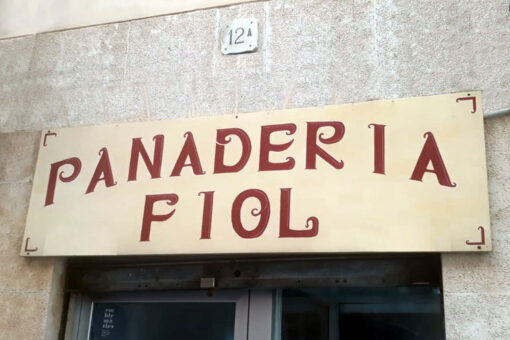
For centuries, ship’s biscuits were an essential part of sailors’ provisions, providing a simple and long-lasting source of food during months at sea. From the Panis Nauticus eaten by the Roman fleet to the hard biscuits carried on voyages during the Age of Discovery, these humble provisions played a vital role in maritime history. Discover the fascinating history of ship’s biscuits, how they evolved into today’s sailor’s biscuits and why this centuries-old tradition is still alive in Mallorca.

What is fonoll marí and why is it so typical of Mallorca?
Gastronomy

What is fonoll marí and why is it so typical of Mallorca?

Sea fennel is one of the Mediterranean’s most distinctive coastal plants and a traditional ingredient in Mallorcan cuisine. Known locally as fonoll marí and scientifically as Crithmum maritimum, this wild plant grows among the rocks by the sea and has been valued for centuries by Mediterranean communities and sailors. Discover the history of sea fennel, how it is traditionally preserved in vinegar and why it remains a much-loved accompaniment to Mallorca’s iconic pa amb oli.

Sopas mallor
Gastronomy

Mallorcan winter soups

Mallorcan winter soups, or sopas mallorquinas, are one of the island’s most traditional and comforting dishes. Made with seasonal vegetables, olive oil and thin slices of dried bread, this humble recipe was traditionally prepared with whatever fresh produce was available, making it a simple yet nourishing staple of Mallorcan cuisine. Discover the origins of sopas mallorquinas, the ingredients used in this traditional recipe and how to prepare this authentic taste of Mallorca at home.

Mantonegro, Mallorca’s most characteristic grape variety
Gastronomy

Mantonegro, Mallorca’s most characteristic grape variety

Manto Negro, also known as Mantonegro, is one of Mallorca’s most distinctive native red grape varieties and a key part of the island’s wine heritage. Widely grown in the Binissalem-Mallorca wine region, this Mediterranean grape produces warm, velvety and elegant wines, with flavours of ripe fruit, plum and raisin alongside balsamic and spicy notes. Discover the origins and characteristics of the Manto Negro grape, how its wines are made and why this indigenous Mallorca variety is such an important part of the island’s wine identity.

Errol Flynn en Mallorca
Iconic characters

Errol Flynn in Mallorca

Errol Flynn in Mallorca: the Hollywood legend who fell in love with the island. Discover the story of the Robin Hood star’s time in Mallorca, from his stays in Palma and Illetas to life aboard his legendary yacht, Zaca. Explore the glamour, adventures and intriguing stories surrounding Errol Flynn’s connection with Mallorca in the 1950s.

Podenco ibicenco
Nature

Ibizan Hound

The Ibizan Hound, also known as the Podenco Ibicenco, is a distinctive breed originating from the island of Ibiza. Discover its history, physical characteristics, temperament, remarkable agility and traditional role in rabbit hunting in the Balearic Islands.

The Mallorcan ensaimada: historical origins and the present day
Gastronomy

The Mallorcan ensaimada: historical origins and the present day

The ensaïmada is far more than one of Mallorca’s most famous pastries: it is a symbol of Mallorcan cuisine, with a fascinating history behind its distinctive spiral shape. Discover the origins of the Mallorca ensaïmada, the Muslim, Jewish and Christian influences that may have shaped its evolution, how this traditional Mallorcan pastry is made and why it has become one of the island’s most iconic culinary specialities.

Frit de matances
Gastronomy

Frit de matances

Frit de matances is one of the most authentic dishes in traditional Mallorcan cuisine, deeply rooted in the island’s centuries-old pig-slaughtering tradition. Made with potatoes, peppers, garlic and different cuts of pork, this hearty dish brings together the history, flavours and customs of Mallorca in every bite. Discover the origins of frit de matances, when it is traditionally prepared, its key ingredients and how to make this iconic Mallorcan recipe.

Recovering old varieties
Gastronomy

Recovering old varieties

Discover the ancient local varieties that are helping to preserve the authentic flavours of Mallorca. From the distinctive Tap de Cortí pepper, traditionally used to make the paprika that gives Mallorcan sobrasada its characteristic colour and flavour, to the sweet tomàtiga de canyisset tomato and Mallorca’s many almond varieties, these traditional crops are an important part of the island’s culinary heritage. Discover how local farmers and organisations are bringing forgotten varieties back to life and keeping the authentic taste of Mallorca alive.

Sineu, the royal village of Mallorca
Places of interest

Sineu, the royal village of Mallorca

Discover Sineu, one of the most historic and authentic villages in Mallorca. Located in the heart of the island, this former royal residence offers a glimpse of traditional Mallorcan life, with its historic old town, medieval heritage, local cuisine and famous Wednesday market. From the Palace of the Kings of Mallorca to traditional cellers and stalls selling local produce, discover what makes Sineu one of the best places to experience the authentic Mallorca away from the island’s busy coastal resorts.

Cuando los vikingos llegaron a Mallorca
History

When the Vikings arrived in Mallorca

Did you know that the Vikings reached Mallorca? Although we usually associate the Vikings with Scandinavia and the fjords of northern Europe, their expeditions also ventured deep into the Mediterranean. In the Middle Ages, Viking fleets raided Mallorca and other Balearic Islands, seeking wealth and conquest. Discover the story of the Viking raids in Mallorca, from the major expedition of 859 to the Norwegian campaign of 1108, and explore the fascinating traces these legendary seafarers left in the history of the Balearic Islands.

The Mallorcan ensaimada and its distant cousin, the Filipino ensaymada
anecdotes

The Mallorcan ensaimada and its distant cousin, the Filipino ensaymada

Did you know that the famous Filipino ensaymada has its roots in Mallorca? Mallorca’s traditional ensaimada is much more than a famous island pastry: it has travelled across the world and inspired its Filipino counterpart, the ensaymada. Discover the fascinating story behind these two pastries, how the Mallorcan recipe made its way to the Philippines and how it evolved into a distinctly Filipino favourite, while preserving a link to Mallorca’s rich culinary heritage.

The Mallorcan vegetable pie
Gastronomy

Recipe of the Mallorcan vegetable pie

Discover how to make a traditional Mallorcan vegetable pie, a delicious recipe from the island’s home-style cuisine. Made with aubergine, tomatoes, peppers, onion and eggs, this comforting dish brings together simple ingredients and the rich flavours of Mediterranean vegetables. Follow this traditional Mallorcan recipe step by step and enjoy a versatile dish that can be served either warm or cold.

Turrón de
Gastronomy

Monastery nougat

Discover the story of Mallorca’s traditional turrón, a Spanish nougat with centuries-old links to Christmas, Mediterranean culture and the island’s convents. Made with locally grown Mallorcan almonds, this traditional sweet is an important part of the island’s culinary heritage. Learn about the origins of convent turrón, how religious communities helped preserve traditional recipes and the fascinating story of the nougat once made by Franciscan friars at the convent of Artà.

The origin of sobrasada
Gastronomy

The origin of sobrasada

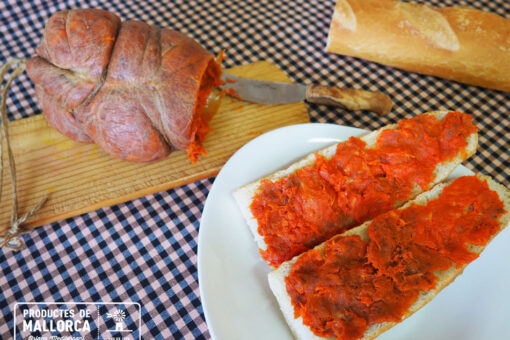
What is the story behind Mallorca’s famous sobrasada? This distinctive Mallorcan cured sausage has a fascinating history rooted in the island’s traditional methods of preserving pork. Discover how sobrasada evolved in Mallorca, when paprika became one of its defining ingredients and how this traditional sausage went from being a way of preserving meat to becoming an iconic part of Mallorcan cuisine. Explore the origins and history of Sobrasada de Mallorca and discover why it remains one of the island’s most celebrated local products.

Dijous Bo de
Festivals and events

Dijous Bo, the Inca Fair

Discover the Dijous Bo in Inca, Mallorca’s biggest and most traditional fair. Held in the heart of Inca, this historic celebration brings together local food, agriculture, livestock, crafts and Mallorcan culture. From sobrasada, cheese, olive oil and ensaimadas to traditional livestock, handmade crafts, music and folk dancing, the Dijous Bo offers a unique glimpse into Mallorca’s rural heritage and local traditions. Discover why this famous fair is one of the best events in Mallorca for experiencing the island’s authentic character.

Pirate attacks in Mallorca and the deffence towers
History

Pirate attacks in Mallorca and the defence towers

Did you know that Mallorca was once a frequent target of pirate attacks? For centuries, corsairs and pirates from North Africa and the Mediterranean raided the island’s coastal towns, threatening communities from Sóller and Pollença to Santanyí and Banyalbufar. To protect Mallorca, a network of defence towers and watchtowers was built along the coastline, allowing warning signals to be passed from tower to tower all the way to Palma. Discover the fascinating history of pirate attacks in Mallorca and explore the historic watchtowers that still stand today as reminders of the island’s turbulent past.

Cocarroi, the traditional Mallorcan pastry
Gastronomy

Cocarroi, the traditional Mallorcan pastry

Have you tried cocarroi, one of Mallorca’s most traditional savoury pastries? Popular in bakeries and traditional ovens across the island, this delicious half-moon pastry has been part of Mallorcan cuisine for generations. The most traditional version is filled with chard, spinach and onion, often combined with pine nuts and raisins, creating a delicious balance of Mediterranean flavours. Discover the history and different varieties of cocarroi and taste one of the most authentic specialities of traditional Mallorcan food.

The Mallorcan pioneer of the helicopter: the story of Pere de Son Gall
anecdotes

The Mallorcan pioneer of the helicopter: the story of Pere de Son Gall

Did you know that a self-taught inventor from Mallorca dreamed of building a helicopter more than a century ago? Pere Sastre Obrador, better known as Pere de Son Gall, was a Mallorcan inventor from Llucmajor who designed and built the Cometagiroavión, an unusual aircraft designed to achieve vertical flight. Working with limited resources in rural Mallorca, he pursued his pioneering idea with remarkable determination. Discover the fascinating story of Pere de Son Gall, his helicopter prototype and the little-known chapter of Mallorca’s history of aviation.

Bu
Gastronomy

Autumn buñuelos

Have you tried Mallorca’s traditional autumn buñuelos? These delicious fried pastries, similar to small doughnuts, are one of the island’s most popular seasonal treats and are traditionally associated with the Festival of the Virgins (Festivitat de les Verges) in October. Made with potato and sweet potato, the dough is fried until golden and served warm with sugar or honey. Discover the story behind Mallorcan buñuelos, their connection to Mallorca’s autumn traditions and how to make this delicious traditional recipe at home.

The dove of anise
Gastronomy

Hierbas de Mallorca and aniseed liqueur: why they change colour when water is added

Have you ever wondered why Hierbas de Mallorca turns cloudy when mixed with water? This curious phenomenon, known as the “dove of anise”, is caused by anethole, the aromatic compound found in anise oil. When cold water is added to an anise-based spirit, the anethole forms tiny droplets, giving the drink its characteristic milky or cloudy appearance. Discover the science behind this fascinating reaction and learn why it also occurs in Mallorca’s traditional herbal liqueur, Hierbas de Mallorca.

Almonds in Mallorca: landscape and gastronomy
Gastronomy

Almonds in Mallorca: landscape and gastronomy

Discover Mallorcan almonds, one of the island’s most treasured traditional products. From the spectacular white and pink almond blossom that transforms the Mallorcan countryside in winter to the traditional harvest in late summer, almond growing has been part of the island’s landscape and culture for generations. With more than 70 varieties grown in Mallorca, these almonds are prized for their distinctive flavour and quality and play an important role in traditional Mallorcan cuisine. Discover how almonds are grown and harvested in Mallorca and why they are an essential ingredient in local specialities such as gató almond cake and traditional nougat.

The Black Vulture in Mallorca: A Gem of the Tramuntana’s Wildlife
Nature

The black vulture in Mallorca: a jewel of the Tramuntana’s wildlife

Discover the black vulture in Mallorca, one of the most impressive birds of prey in the Serra de Tramuntana. Known locally as the Voltor Negre, this majestic bird is a remarkable symbol of Mallorca’s wildlife and conservation success. Learn about its fascinating history, its vital role in the ecosystem and where you can spot black vultures soaring over the island’s mountains.

Joan Miro
Iconic characters

Joan Miró and Mallorca

Discover the fascinating connection between Joan Miró and Mallorca, the island that became an important source of inspiration for one of the 20th century’s most influential artists. With Mallorcan roots and a lifelong connection to the island, Miró eventually made Mallorca his home, where he developed his distinctive artistic style. Discover his story, his life in Palma and the studio where he worked, now preserved as a unique museum open to visitors.

Jaume Munar maestro de la sobrasada
Gastronomy

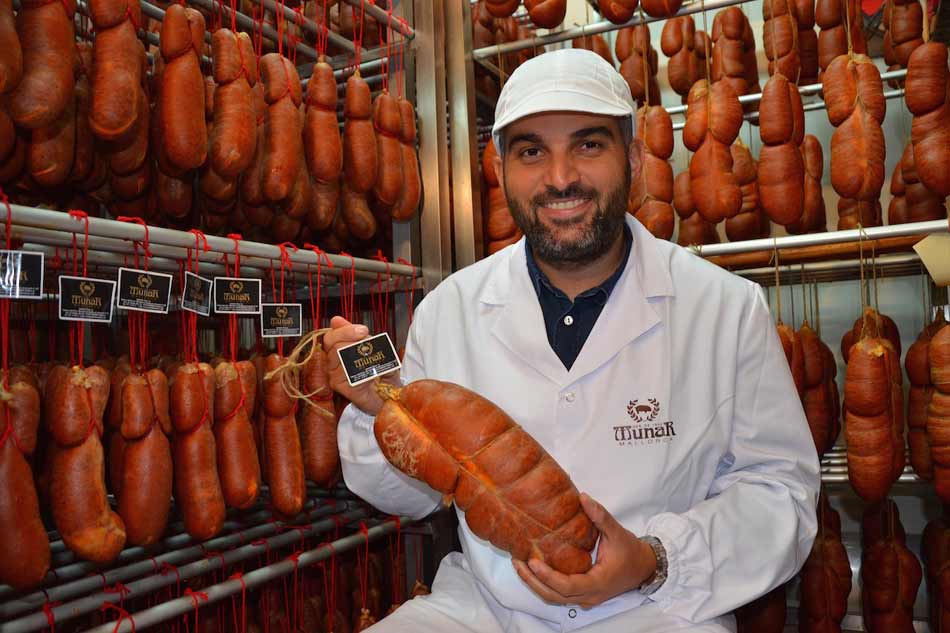
Jaume Munar, a master of sobrasada

Meet Jaume Munar, a master craftsman dedicated to preserving the tradition of authentic Mallorcan sobrasada. From a family business founded in 1942, Jaume continues a generations-old tradition of producing one of Mallorca’s most iconic cured meats. Discover the story behind Munar’s artisan sobrasada, their renowned Sobrasada de Porc Negre and the passion for quality and tradition that has made this family business a reference in Mallorcan gastronomy.

The mistery of the ensaimada
Gastronomy

The mystery of the Mallorcan ensaimada: why does it never taste quite the same outside the island?

Why does a Mallorcan ensaimada never seem to taste quite the same outside the island? Discover the fascinating mystery behind one of Mallorca’s most iconic pastries. Even with the same flour and lard, recreating its distinctive texture and flavour can be surprisingly difficult. Is it the water, the humidity, the oven or the skill of the baker? Explore the traditions, patience and craftsmanship behind an authentic Mallorcan ensaimada and discover what makes the taste of Mallorca so difficult to reproduce.

Pa amb oli Mallorquin: tradition, ingredients and how to make it
Gastronomy

Pa amb oli Mallorquin: tradition, ingredients and how to prepare it

Discover pa amb oli, one of the simplest and most iconic dishes in traditional Mallorcan cuisine. Made with rustic Mallorcan bread, juicy ramallet tomato, extra virgin olive oil and sea salt, this humble dish is all about the quality of its ingredients. Learn how to prepare authentic pa amb oli, which traditional cheeses and cured meats to serve with it, and why this Mediterranean classic holds such a special place in Mallorca’s food culture.

The pig slaughter in Mallorca
Traditions and customs

Pig slaughter in Mallorca

Discover the traditional pig slaughter in Mallorca, known locally as matances, a deeply rooted custom that has brought Mallorcan families and communities together for generations. Traditionally held during the winter, this important rural tradition was a time for family gatherings and for preparing meat and cured specialities for the year ahead. Discover how matances were celebrated and learn about the traditional Mallorcan products made from the pig, including sobrasada, botifarrons, llonganisses and camaiot.

Receta de llampuga con pimientos
Gastronomy

Recipe of llampuga with peppers

Discover how to prepare llampuga with peppers, a delicious traditional Mallorcan recipe made with one of the island’s most prized seasonal fish. September marks the llampuga season in Mallorca, making it the perfect time to enjoy this simple and flavourful dish. Learn how to cook llampuga with red peppers, garlic and olive oil and bring an authentic taste of Mallorcan cuisine to your table.

Binissalem - Fiestas de la vendimia
Festivals and events

Binissalem – Grape harvest festival

Discover the Binissalem Grape Harvest Festival, one of Mallorca’s most colourful celebrations of wine, local traditions and village life. Known locally as Festes d’es Vermar, this lively September festival celebrates the grape harvest with wine tastings, traditional grape treading, barrel races, cultural events and the famous grape battle. Experience the authentic atmosphere of Binissalem and discover why this wine-growing town is at the heart of Mallorca’s winemaking traditions.

Ron Amazona, maneras de disfrutarlo
Gastronomy

Ways to enjoy Ron Amazona

Discover the best ways to enjoy Ron Amazona, an authentic Mallorcan rum with an intense fruity aroma and a distinctive character. In Mallorca, it is traditionally enjoyed with coffee in the popular rebentat, but this local speciality is also a versatile ingredient for desserts and other delicious combinations. Discover three easy ideas for enjoying Ron Amazona with orange, flambéed bananas or tiramisu, and bring a taste of Mallorca to your table.

Tumbet - the summer meal
Gastronomy

The tumbet – summer meal

Discover tumbet, one of Mallorca’s most beloved traditional summer dishes and a delicious taste of authentic Mallorcan cuisine. Made with layers of potatoes, aubergine, courgette and peppers topped with a rich homemade tomato sauce, this simple vegetable dish celebrates the flavours of the Mediterranean. Discover how to prepare traditional Mallorcan tumbet and enjoy it as a main dish or as the perfect accompaniment to meat and fish.

Cómo conservar la sobrasada
Gastronomy

How to store sobrasada

How should you store sobrasada to preserve its flavour and quality? Discover how to properly store authentic Sobrasada de Mallorca, from traditional pantry storage to vacuum-packed sobrasada and refrigeration. Learn about the ideal temperature and humidity, how to store sobrasada once opened, and the simple tips that will help you enjoy this iconic Mallorcan cured sausage at its best.

Binissalem, Mallorca’s wine-growing Region
Places of interest

Binissalem, Mallorca’s wine-growing Region

Discover Binissalem, Mallorca’s renowned wine-growing region and home to a unique winemaking tradition rooted in the island’s native grape varieties. Located in the heart of Mallorca, Binissalem is home to the Binissalem-Mallorca Designation of Origin, known for quality wines made with local grapes such as Mantonegro and Moll. Explore the region’s vineyards, wineries and wine traditions, and discover why Binissalem is an essential destination for anyone looking to experience the authentic character of Mallorcan wine.

Sopas mallorquinas de verano
Gastronomy

Mallorcan Summer Soups: A Traditional Taste of Mallorca

Hot soup in the middle of summer? In Mallorca, it’s a much-loved tradition. Discover Mallorcan Summer Soups, a traditional island dish that may seem surprising at first, but perfectly reflects the simplicity and character of Mallorcan cuisine. Made with fresh seasonal vegetables and the distinctive local soup bread, this hearty recipe brings together authentic flavours, local ingredients and generations of culinary tradition. Discover how it is prepared and why this traditional Mallorcan dish is worth trying, even on the hottest summer days.

Festival for the Conquest of Mallorca
Festivals and events

Festival for the conquest of Mallorca: history and tradition

Discover the Festival for the Conquest of Mallorca, a spectacular celebration of the island’s medieval history and one of its most fascinating traditional festivals. Held in Santa Ponsa, the Festes del Rei en Jaume commemorate the arrival of King Jaime I in Mallorca in 1229 with historical re-enactments, medieval parades, battles, a traditional market, live entertainment and fireworks. Discover the story behind the conquest of Mallorca and experience a unique festival where history, tradition and local culture come to life.

Coca mallorquina de trampó
Gastronomy

Mallorcan “coca” with trampó

Discover how to make Mallorcan coca de trampó, one of Mallorca’s most traditional and delicious savoury recipes. This easy Mediterranean dish combines a thin, crispy olive-oil dough with a colourful topping of ripe tomatoes, green pepper and onion. Follow this traditional coca de trampó recipe step by step and bring an authentic taste of Mallorca to your kitchen.

Coca mallorquina de pimientos
Gastronomy

Mallorcan peppers coca

Discover how to make Mallorcan peppers coca, a traditional savoury speciality from Mallorca packed with Mediterranean flavour. This delicious Mallorcan recipe combines a thin, crispy olive-oil dough with roasted red peppers, tomatoes, garlic and parsley. Follow our step-by-step recipe and bring an authentic taste of Mallorcan cuisine to your kitchen.

La coca mallorquina
Gastronomy

La “coca” mallorquina

Discover Mallorcan coca, one of the most traditional and delicious specialities of Mallorca. This simple yet flavourful Mediterranean dish is deeply rooted in the island’s food culture and is traditionally enjoyed when sharing food with family and friends. Learn more about the origins, characteristics and different varieties of Mallorcan coca, from coca de trampó to roasted red pepper and vegetable coca, and discover why it remains a much-loved part of Mallorcan cuisine.

Cicadas in Mallorca: nature, summer and the sounds of the Mediterranean
Nature

Cicadas in Mallorca: nature, summer and the sounds of the Mediterranean

If you’ve ever spent a summer in Mallorca, you’ll probably remember the distinctive sound of cicadas filling the warm Mediterranean air. Their rhythmic song is one of the most recognisable sounds of Mallorca in summer, accompanying quiet afternoons, countryside walks and lazy days in the sun. Discover why cicadas are such an iconic part of the island’s natural landscape and learn some fascinating facts about these remarkable Mediterranean insects.

The Mallorcan of Valencia
History

The Mallorcans of Valencia

Did you know that a part of Valencia is home to a community with deep Mallorcan roots? Discover the fascinating story of the Mallorcans of Valencia, descendants of families who migrated from Mallorca to the Marina Alta in the 17th century following the expulsion of the Moriscos. More than 400 years later, Mallorcan surnames, language, traditions and cuisine are still part of the region’s cultural heritage. Explore the remarkable historical connection between Mallorca and Valencia.

Festival of Moors and Christians
Festivals and events

Moors and Christians festivals

Discover the Moors and Christians Festival in Mallorca, one of the island’s most spectacular traditional celebrations. Every 2 August, the town of Pollença (Pollensa) comes alive with a dramatic re-enactment of the battle that took place in 1550, when local residents defended the town against the Ottoman corsair Dragut. History, tradition, music and colourful costumes come together in a unique celebration that offers a fascinating glimpse into Mallorca’s cultural heritage.

The porc negre: a victim of its own success in Mallorca
Gastronomy

The porc negre: a victim of its own success in Mallorca

Discover the Mallorcan Black Pig, a unique native breed that has been part of Mallorca’s rural and gastronomic heritage for centuries. Known locally as Porc Negre Mallorquí, this distinctive black pig is closely linked to the island’s traditional farming practices and to iconic products such as Mallorcan sobrasada. Learn about its history, distinctive characteristics and the importance of preserving this native Mallorcan breed for future generations.

"Dignitat i Feina" - that's how it all started
anecdotes

“Dignitat i Feina” – that’s how it all started

Discover the inspiring story behind Dignitat i Feina, a social initiative in Mallorca that turned a simple idea into an opportunity for work, dignity and rural regeneration. By recovering abandoned almond and carob groves, the project helped support people at risk of social exclusion while preserving Mallorca’s agricultural heritage. Find out how this remarkable initiative eventually gave rise to a traditional Mallorcan almond nougat, bringing together local produce, craftsmanship, sustainability and social commitment.

Summer calls for... ice cream
Crafts and trades

How ice cream was made in Mallorca 200 years ago

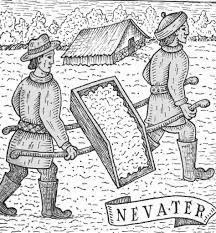
How was ice cream made in Mallorca before refrigerators and freezers existed? Long before modern technology, making ice cream on the island was a remarkable process involving snow from the Serra de Tramuntana and the work of the nevaters, who collected and stored it through the winter. Discover the fascinating history behind traditional ice cream in Mallorca, from the centuries-old methods used to produce ice to the local ingredients that helped shape this much-loved Mallorcan tradition.

The Mallorcan Ferreret: the tiny native amphibian, unique in the world
Nature

The ferreret: Mallorca’s native amphibian

Did you know that Mallorca is home to a tiny frog found nowhere else in the world? The ferreret frog (Alytes muletensis) is a unique species native to the island, living among the rocky gorges, caves and streams of the Serra de Tramuntana. Also known as the Mallorcan midwife toad, this fascinating amphibian is only a few centimetres long and is one of Mallorca’s most remarkable protected species. Discover where the ferreret lives, why its unusual name is linked to the sound of a blacksmith’s hammer, and the conservation efforts helping to protect this unique part of Mallorca’s natural heritage.

The History of Olive Oil in the Mediterranean and in Mallorca
Gastronomy History

The History of Olive Oil in the Mediterranean and in Mallorca

Mallorca olive oil is far more than a staple of Mediterranean cuisine: it is the result of a centuries-old tradition deeply rooted in the island’s history and landscape. From the Phoenicians, Greeks and Romans to the Arab influence that shaped olive cultivation and oil production, this precious ingredient has played an important role in Mallorca for thousands of years. Discover the fascinating history of olive oil in Mallorca, how olive growing became part of the island’s economy and culture, and why Mallorcan olive oil remains a treasured local product today, from the terraces of the Serra de Tramuntana to small family estates across the island.

Mallorca on two wheels
anecdotes

When Mallorca made motorbikes

Did you know that motorcycles were once made in Mallorca? During the 1950s and 1960s, the island was home to several small motorcycle manufacturers, including Colomet, Coronat, BMS, Bordoy, Bibiloni and Joyca. At a time when affordable motorcycles were transforming mobility across Spain, Mallorcan entrepreneurs created their own designs and built a small but fascinating local motorcycle industry. Discover the story of motorcycles made in Mallorca, the pioneering Colomet and innovative Coronat, and why these home-grown brands eventually disappeared as competition from larger mainland manufacturers grew.

Como conquistó Jaime I Mallorca
History

How Jaime I conquered Mallorca

How did Jaime I of Aragon conquer Mallorca in 1229? In the 13th century, the island was under Muslim rule when the young king launched a major military expedition to take control of Mallorca. With a fleet of around 150 ships and thousands of troops, his forces landed at Santa Ponsa, defeated the defending army at the Battle of Porto Pi and laid siege to Madina Mayurqa, the city now known as Palma. Discover the fascinating story of the conquest of Mallorca by Jaime I, from the dramatic landing in 1229 to the fall of the city and the final resistance that continued across the island until 1232.

Eaktai Ahn: the Korean musician who founded the Balearic Symphony Orchestra in Mallorca
Iconic characters

Eaktai Ahn: the Korean musician who founded the Balearic Symphony Orchestra in Mallorca

Did you know that a Korean composer and conductor played a key role in Mallorca’s musical history? Born in Pyongyang in 1906, Eaktai Ahn studied and performed across Asia, Europe and the United States before settling in Mallorca with his wife in the 1940s. In 1947, he founded the Balearic Symphony Orchestra, which he conducted for more than a decade. Discover the remarkable story of Eaktai Ahn in Mallorca, his extraordinary international career, his connection with Palma and the lasting cultural legacy he left on the island.

The curious connection between windmills and Palo de Mallorca
Places of interest

The curious connection between windmills and Palo de Mallorca

Did you know that Mallorca’s traditional windmills have a surprising connection with Palo de Mallorca, one of the island’s most distinctive traditional drinks? The windmills of the Pla de Sant Jordi were once essential for pumping water, draining the area’s wetlands and turning marshy land into fertile farmland. At the same time, quinine bark, originally used to treat malaria, eventually became the basis of Palo, a traditional Mallorcan aperitif. Discover the fascinating story that connects Mallorca’s windmills, malaria, agriculture and Palo de Mallorca, and how these two seemingly unrelated elements played a role in the island’s history.

Loryc a car manufactured in Mallorca
anecdotes

Loryc a car manufactured in Mallorca

Did you know that cars were manufactured in Mallorca more than a century ago? Between 1921 and 1929, the Loryc brand built small cars and cyclecars on the island, combining Mallorcan craftsmanship with French engines and taking part in prestigious motor races. Despite its success, the company eventually disappeared as mass-produced French cars became increasingly competitive. Discover the fascinating story of Loryc, a car made in Mallorca, and how this forgotten Mallorcan motoring brand was brought back to life decades later as an electric car.

Ro
Gastronomy

Ron Amazona a traditional Mallorcan drink

Discover Ron Amazona, a traditional drink from Mallorca with a fascinating history linked to Cuba. This distinctive Mallorcan rum liqueur is made through an artisanal process in which sugar-cane alcohol is slowly infused with selected fruits from the island before being blended with caramelised sugar and partially aged in oak barrels. Traditionally enjoyed with coffee as the famous Mallorcan carajillo, Ron Amazona is a unique taste of Mallorca and a centuries-old tradition that continues today.

The tradition of the pâtés in Mallorca
Traditions and customs

The tradition of the pates in Mallorca

Discover the fascinating history of pâté in Mallorca, a culinary tradition with surprising French connections. Learn how 19th-century trade between Mallorca and France brought French pâté to the island, inspiring generations of local families to create their own traditional Mallorcan pâté recipes. From Portocolom to Sóller, Felanitx and Porreres, explore the story behind this distinctive part of Mallorca’s food heritage and discover how traditional recipes are still preserved today.

Apricots in Mallorca: the tradition of Porreres
Festivals and events

Apricots in Mallorca: the tradition of Porreres

Discover the story behind Mallorca’s famous apricots and the long-standing tradition of Porreres, a village at the heart of the island’s apricot-growing region. From the sweet, sun-ripened fruit known locally as albercoc to the traditional artisanal process of drying apricots in the sun, discover how this distinctive fruit has become an important part of Mallorca’s food heritage. Learn about Porreres’ traditional apricot production and the colourful Apricot Fair (Fira de l’Albercoc) held every year in the village.